Air Spading
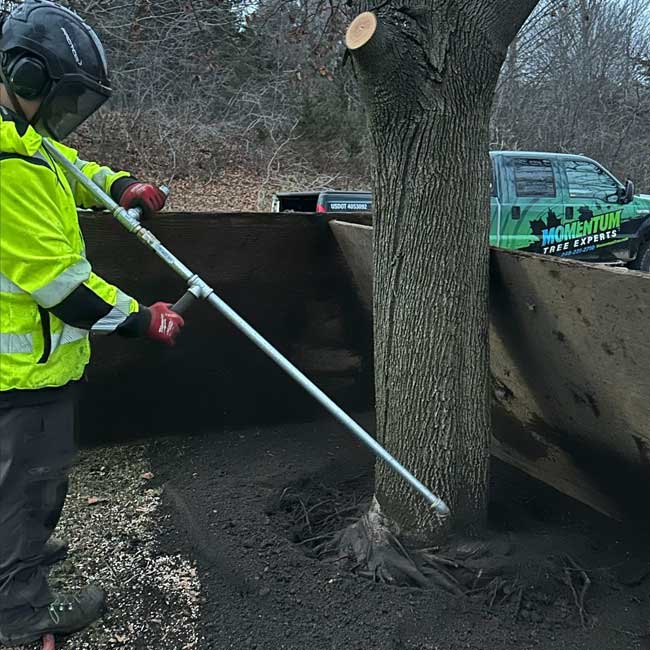
Trees are dying underground long before you see it. Compacted soil, poor drainage, root girdling, construction damage—these silent killers are invisible until it's too late. Most arborists shrug and recommend removal. We dig deeper. Air Spading uses compressed air to carefully excavate soil around the root collar and critical root zones without damage. No shovels. No severed roots. Just truth. We uncover what's actually killing your tree—and whether it can be saved. Once we diagnose the problem, we fix it: break compaction, install drainage, remove girdling roots, amend soil. Your struggling tree gets a second chance. Your expensive tree doesn't become an expensive stump. Most companies can't do this. We can. We're ISA Certified Arborists who understand tree biology and soil science. Air Spading is how we save trees competitors would remove.
Free alternatives available
Key Benefits
Non-destructive investigation
Diagnoses root problems
Improves soil condition
Reduces soil compaction
Promotes tree vigor
Our Process
Evaluation
We assess what root zone issues exist.
Air Spading
Compressed air safely excavates soil.
Diagnosis
Root issues are identified and evaluated.
Treatment
Recommendations for improvement are provided.
Frequently Asked Questions
What exactly is air spading and how does it work?
Air Spading uses compressed air (up to 400 PSI) to carefully excavate soil around the root system without damaging roots or severing them. It allows us to safely expose the root collar and critical root zones to diagnose problems like compaction, girdling roots, poor drainage, and root damage. It's non-destructive—no shovels, no harm.
When should I consider air spading for my tree?
Consider air spading if your tree shows signs of decline (yellowing leaves, thinning canopy, reduced growth), if construction or soil compaction has occurred nearby, or if an arborist suspects a root-zone problem. It's especially valuable before recommending removal—many trees can be saved once the real problem is identified and fixed.
How is air spading different from traditional digging?
Traditional shovels and heavy equipment compact soil further and sever live roots, often making the problem worse. Air spading is surgical—it excavates soil without root damage and reveals exactly what's happening underground. Once we diagnose, we can treat the actual problem rather than guessing.
What happens after you identify a problem with air spading?
We develop a treatment plan based on what we find. This might include breaking up compacted soil, installing drainage systems, removing girdling roots, or amending the soil with beneficial organisms. The goal is to restore the root environment and give your tree a real chance to recover.
How much does air spading cost?
Air spading pricing depends on tree size, root complexity, and soil conditions. We provide free estimates so you know the cost upfront. Many homeowners find it's far cheaper than replacing a mature tree—and sometimes it saves a tree you thought was beyond hope.
Can air spading save my dying tree?
It depends on the underlying problem. If the issue is compaction, root damage, poor drainage, or girdling roots—yes, often we can fix it and your tree will recover. If the tree is diseased beyond treatment or structurally compromised, air spading helps us give you an honest diagnosis instead of an unnecessary removal recommendation.
Ready to Get Started?
Contact us today for a consultation from one of our certified arborists.
Free alternatives available