Tree Pruning
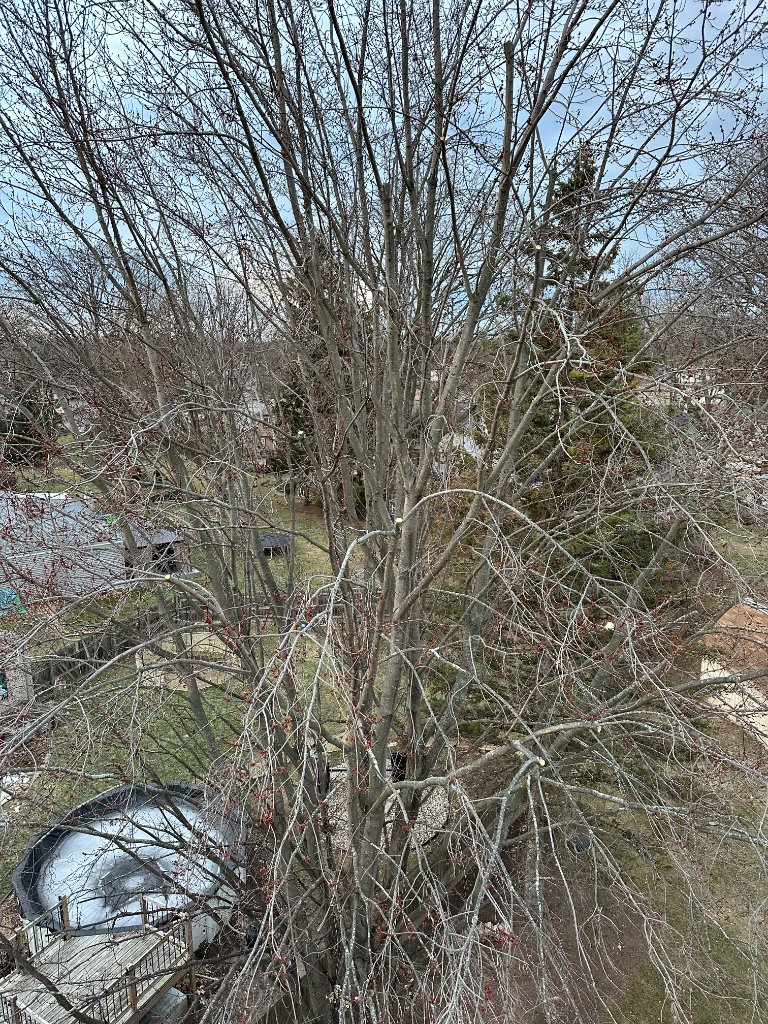
Momentum Tree Experts delivers expert tree pruning service across Southeast Michigan, led by ISA Certified Arborists. Our approach to tree pruning is science-based and preservation-minded, focusing on the long-term health and structural integrity of your trees. We apply proper tree pruning techniques rooted in tree biology, guided by ANSI A300 standards, so each cut has a clear purpose. The ISA Certified Arborist credential is the foundation — but it is just that. What shapes how we actually assess a tree, prescribe work, and build a long-term plan around it are the advanced qualifications behind it. Our arborist holds both the ISA Tree Risk Assessment Qualification (TRAQ) and the ISA Prescriptive Pruning Qualification (PPQ). TRAQ is where the deeper mechanical understanding lives — tree biomechanics, how decay and woundwood affect structural integrity, how response wood forms, and how to evaluate a tree's actual failure risk before prescribing any work. PPQ goes further: it is the most rigorous pruning qualification in arboriculture, built specifically on the principle that no tree should ever be pruned without a written prescription. Developed by Dr. Edward F. Gilman alongside leading arborists and researchers, PPQ bridges the gap between ANSI A300 as a performance standard and the precise, objective-based specifications needed to ensure consistent quality in the field. Where the CA gives an arborist a baseline, PPQ teaches how to align client goals with each tree's specific species, vigor, and biological condition — before a single cut is made. Very few practicing arborists in the country hold it. Tree pruning is a technical discipline focused on cultivating strong, healthy trees. For mature trees, this often involves careful work to improve branch architecture, manage the crown, and reduce future risk. We avoid harmful practices like topping or over-thinning, which can significantly shorten a tree's viable lifespan. While tree trimming addresses general clearance and appearance, our tree pruning service is grounded in the tree's biology and structural needs. Whether you need specialized oak tree pruning, careful maple tree pruning, or professional attention for other species, our recommendations are grounded in tree biology, structure, and seasonal timing. Momentum's pruning work is guided by ANSI A300 pruning standards and is intended to support long-term health, reduce avoidable risk, and preserve the tree's natural form.
Free alternatives available
Key Benefits
Tree Longevity: Ensuring trees remain healthy and vibrant for decades, enhancing property value and natural beauty over time
Stronger Trees: Developing robust branch structure more resilient to storms, wind, and heavy snow — preventing costly damage
Disease Prevention: Removing diseased, dead, or competing branches to stop pathogen spread and maintain overall tree vitality
Increased Safety: Eliminating weak, crossing, or hazardous limbs that could fail and cause injury or property damage
Healthy Growth Pattern: Guiding natural tree development with balanced form, preventing overcrowding and promoting air circulation through the canopy
Enhanced Site Safety (Commercial): Proactively managing tree health to prevent branch failure, protecting employees, customers, and visitors
Reduced Liability (Commercial): Mitigating risks associated with hazardous trees and lowering insurance claims and legal exposure
Infrastructure Protection: Ensuring trees do not interfere with buildings, utility lines, or critical infrastructure
Regulatory Compliance: Adhering to property maintenance standards and safety regulations required in public-facing areas
Professional Image: Presenting well-maintained trees that reflect positively on business brand and professionalism
Optimized Property Value: Contributing to long-term asset value through superior landscape health and maintenance
Our Process
Tree Assessment & Diagnosis
Our ISA Certified Arborist evaluates the tree's overall health, structure, species characteristics, and growth pattern. We identify diseased, dead, crossing, or weak branches and assess the tree's response to previous pruning. This diagnosis guides every cut.
Science-Based Pruning Plan
Using ISA standards and tree biology principles, we develop a pruning strategy that prioritizes health and structure. The plan targets branch removal that strengthens the tree, prevents disease spread, and guides natural growth — not quick fixes or appearance.
Precision Pruning Execution
Our certified team executes the plan using proper cuts at branch collars, correct angles, and never using wound dressing or sealant. Each cut is made to maximize the tree's natural healing response and long-term structural integrity.
Monitoring & Long-Term Care
We provide guidance on follow-up care and schedule future pruning cycles aligned with the tree's species, growth rate, and health goals. Ongoing monitoring ensures the tree thrives for decades to come.
Frequently Asked Questions
How is tree pruning different from tree trimming?
Trimming is typically cosmetic — removing branches for appearance or convenience. Pruning is science-based and health-focused. Every pruning cut prioritizes the tree's biological well-being, structural strength, and long-term vitality over appearance or quick aesthetics. We remove diseased, dead, crossing, or weak branches using ISA standards, not convenience.
Why shouldn't I use wound dressing or sealant on pruning cuts?
Research shows that trees heal better without wound dressing or sealant. The tree's natural compartmentalization process is more effective when left undisturbed. Sealant can trap moisture and actually increase disease risk. We follow ISA guidelines and make proper cuts that allow the tree to heal naturally and strongly.
How often should my tree be pruned?
Pruning frequency depends on the tree's species, age, health, and growth rate. Young trees may benefit from structural pruning every 2-3 years. Mature, healthy trees typically need pruning every 3-5 years. Diseased or hazardous trees may need more frequent attention. We'll assess your specific tree and recommend a pruning cycle tailored to its needs.
Will pruning hurt my tree or slow its growth?
Proper pruning actually improves tree health and vigor. By removing diseased, dead, or competing branches, the tree can direct energy toward healthy growth and stronger structure. Poor pruning (like topping or excessive removal) causes stress; science-based pruning strengthens the tree for decades of healthy development.
Can you prune my tree year-round?
Most deciduous trees should be pruned during dormancy (late fall through early spring) when disease risk is lower and the tree's response is stronger. Some species have preferred timing. Evergreens can be pruned during the growing season. We'll recommend the best timing for your specific tree to ensure maximum health and healing.
What about large branches — is it safe to remove them?
Removing large branches should be avoided whenever possible. While it may seem necessary, large branch removal creates significant stress on the tree and large wounds that compromise long-term health. Proper pruning focuses on removing smaller, problematic branches to maintain structure and health without creating major wounds. Certified arborists use pruning strategies that strengthen the tree without resorting to large branch removal.
How does pruning help prevent disease?
Diseased branches spread pathogens throughout the tree. By removing infected, dead, or compromised wood, we stop disease progression and improve air circulation through the canopy, reducing conditions that favor fungal growth. Pruning for health is one of the best preventive measures for tree disease.
Is pruning expensive? What's the ROI?
Strategic pruning is an investment in your tree's future. The cost is far less than emergency removal, storm damage repairs, or liability claims from fallen branches. Improper pruning by untrained teams—using techniques like topping, flush cuts, or excessive removal—causes severe tree damage, disease, and structural failure that lead to far more expensive problems down the road, including premature removal or emergency work. A healthy, well-structured tree lasts decades, increases property value, and prevents costly problems — making science-based pruning one of the best long-term investments in your landscape.
Ready to Get Started?
Contact us today for a consultation from one of our certified arborists.
Free alternatives available